
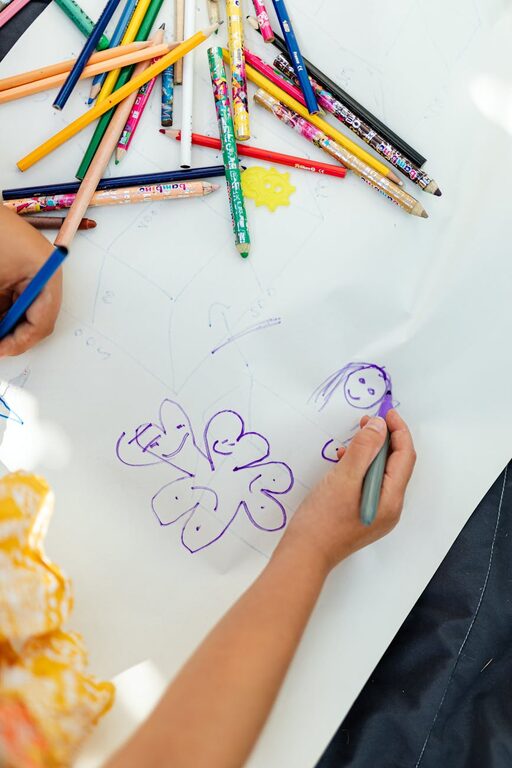
Bringing home your child’s colorful drawings and craft projects can be a wonderful way to celebrate their creativity. However, without a system for organizing these masterpieces, art supplies and finished pieces can quickly pile up, leading to clutter and stress. Keeping kids’ art organized doesn’t have to be overwhelming—it’s possible to preserve those special memories while maintaining a tidy and functional space.
In this post, we’ll explore practical and creative tips to help you manage and store your child’s artwork efficiently.
Why Organizing Kids’ Art Matters
Kids’ art is more than just paper and paint; it represents their growth, imagination, and milestones. By organizing these creations, you:
– Preserve memories for years to come
– Encourage your child to take pride in their work
– Reduce household clutter
– Make gift-giving or decorating with artwork easier
Now, let’s dive into some tips you can implement right away.
1. Create a Dedicated Art Space
Having a specific area for art projects helps contain supplies and finished work.
Tips for an art space:
– Use a corner of a room or a small table for art activities
– Provide storage containers for markers, crayons, and brushes
– Have a display area nearby where kids can showcase recent creations
A well-defined art zone can make cleanup quicker and help kids focus on their creativity.
2. Use Rotating Displays
Displaying artwork boosts kids’ confidence but displaying everything isn’t practical.
Ideas for rotating displays:
– Hang a wire with clips where you can easily swap out pieces
– Use magnetic boards or corkboards to pin current favorites
– Frame a few select works and rotate them monthly
This keeps your home fresh and your child motivated to create more.
3. Implement an Art Filing System
Not all artwork can be displayed, so a filing system is essential for storage.
How to set up an art filing system:
– Use large, labeled folders or portfolios for each child
– Organize folders by date, school year, or type of art
– Store portfolios in a drawer or bin easily accessible to your child
This method keeps artwork flat and protected without taking up too much space.
4. Digitize the Artwork
Digital storage can save physical space while preserving memories.
Steps to digitize:
– Take photos or scans of each artwork piece
– Use a cloud service or computer folder to organize files by date or theme
– Consider creating photo books or slideshows as keepsakes
Digitizing also lets you share artwork easily with family and friends.
5. Repurpose Artwork Creatively
Transform old art into new projects or keepsakes.
Ideas for repurposing:
– Make greeting cards by cutting and folding drawings
– Turn paintings into wrapping paper
– Create a scrapbook or collage of smaller pieces
This approach adds value to older creations and keeps them enjoyable.
6. Set Limits Together
Involving kids in the organization process builds good habits.
How to set limits:
– Agree on a reasonable amount of artwork to keep
– Decide together which pieces are most special
– Regularly review and declutter the collection
Respecting your child’s feelings while setting boundaries can make the process smoother for everyone.
7. Use Storage Bins or Boxes
For three-dimensional crafts or bulky items, sturdy bins are helpful.
Storage tips:
– Choose clear plastic bins to see contents easily
– Label each bin with your child’s name and a description
– Keep bins in a closet or under a bed to save space
This method protects delicate art while keeping it out of the way.
8. Make Art Storage a Routine
Consistency is key to preventing clutter buildup.
Ideas to maintain order:
– Schedule a weekly “art review” time with your child
– Involve the family in cleaning and organizing art supplies
– Rotate art displays and storage regularly
Building these routines turns organization into a natural habit.
Final Thoughts
Keeping kids’ art organized can be both practical and fun. With dedicated spaces, simple display ideas, and smart storage solutions, you can honor your child’s creativity without feeling overwhelmed by clutter. Remember—organization doesn’t have to be perfect; just a few small steps can make a big difference in preserving the joy of your child’s artistic journey.
Try some of these tips today, and enjoy a tidy, inspiring environment that celebrates your child’s creativity!