
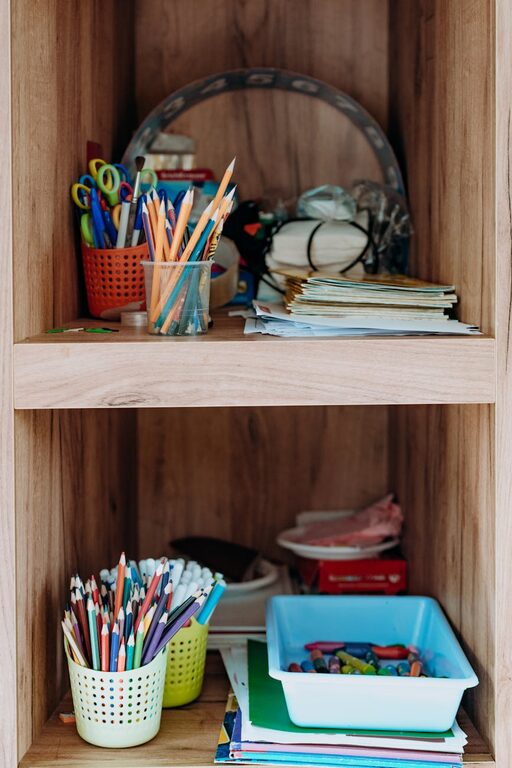
Children’s artwork is a wonderful expression of creativity and imagination. From colorful drawings to crafty projects, these masterpieces hold sentimental value for parents. However, as the pile grows taller, keeping kids’ art organized can become a challenge. Without a plan, cherished creations can get lost, damaged, or create clutter around the home.
In this post, we’ll explore practical and creative tips to help you organize your kids’ artwork effectively. Whether you want to store, display, or digitize their art, these strategies will help you maintain a clutter-free space while celebrating your child’s creativity.
Why Organize Kids’ Artwork?
Organizing art is more than just tidying up. It offers several benefits:
– Preserves memories: Keeps precious creations safe over time.
– Reduces clutter: Prevents piles of paper and projects from overwhelming your space.
– Encourages creativity: Displaying art motivates kids to keep creating.
– Teaches organization: Involving children helps develop good habits.
1. Create a Dedicated Art Space
Having a designated area for your child’s drawings and crafts makes organization easier.
– Use a specific drawer or bin: Choose a box or basket where all completed artwork gets collected.
– Set up an art station: Include supplies and easy-to-reach storage to encourage neatness while creating.
– Label storage clearly: This helps children know where to put their works after finishing.
2. Display Your Kids’ Art Proudly
Showing artwork around the home honors your child’s effort and adds warmth to your décor.
– Gallery wall: Dedicate a wall or a section with frames or clipboards to rotate artwork regularly.
– Corkboard or magnetic board: Allows easy swapping of new creations with old ones.
– String and clips: Hang a piece of string and use clothespins to display several artworks in a casual, changeable way.
3. Use Portfolios and Binders for Storage
Portfolios or binders are handy for preserving drawings and flat pieces.
– Plastic sleeves: Insert art into clear protectors inside binders to keep them safe from damage.
– Portable portfolio folders: Available at craft stores, ideal for storing larger or odd-sized work.
– Label by date or theme: Helps track progress and locate specific pieces easily.
4. Digitize Artwork for Long-Term Preservation
If space is limited, consider scanning or photographing art to save digital copies.
– Set up simple photography: Use natural light and a clean background for best results.
– Create digital albums: Organize files by child, year, or theme on your computer or cloud storage.
– Make photo books: Use online services to print annual art collections as keepsake books.
– Share with family: Easily email or share digital galleries with relatives who appreciate the creativity.
5. Repurpose or Gift Artwork Creatively
Transform artwork into useful or memorable items, giving them a new life.
– Greeting cards: Cut and fold art to create unique cards for birthdays or holidays.
– Gift wrap: Use large drawings to wrap small gifts.
– Craft projects: Turn paintings into bookmarks, magnets, or collages.
– Family gifts: Frame special pieces to send to grandparents or other loved ones.
6. Establish Clear Guidelines for Keeping or Letting Go
Deciding what to keep and what to discard is important—especially when space is limited.
– Set a limit: Decide on a storage capacity, such as one box per year.
– Ask your child: Let them choose favorites to save, fostering decision-making skills.
– Keep milestone pieces: Preserve artwork from special occasions or notable achievements.
– Recycle thoughtfully: Repurpose or recycle non-kept art to avoid waste.
7. Make Organizing a Fun Routine
Involve your children in the process to make art organization a positive experience.
– Schedule regular sessions: Sort and organize artwork monthly or seasonally.
– Turn it into a game: Create challenges like “find your favorite drawing” or “build an art story.”
– Celebrate progress: Praise effort and creativity, reinforcing the value of their work and organization skills.
Final Thoughts
Keeping kids’ artwork organized doesn’t have to be overwhelming. By setting up a dedicated space, displaying creations proudly, storing pieces carefully, and incorporating digital backups, you can enjoy your child’s artistic journey without clutter. Remember, the goal is to preserve meaningful memories while encouraging creativity and teaching helpful habits.
Try incorporating some of these tips today, and watch how organizing art transforms from a chore into a cherished family ritual!