
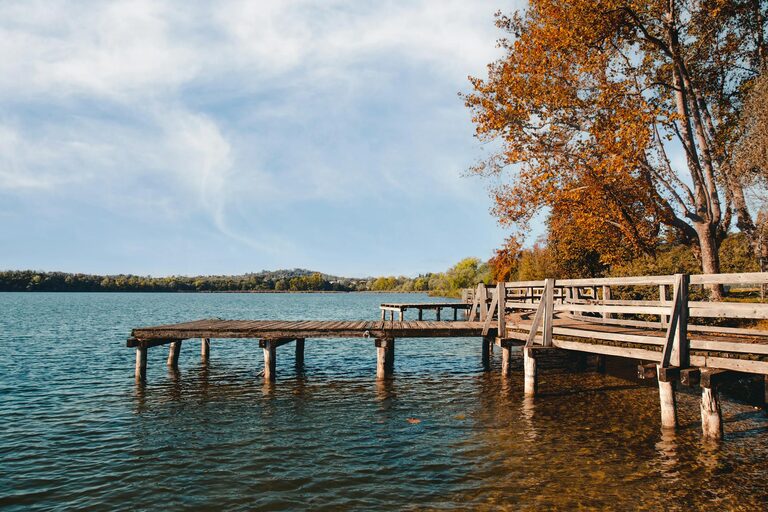
Taking time off for a weekend should be about rest and recharging your energy. Yet, many of us end up feeling rushed, overwhelmed, or even more stressed by Sunday evening. The key to a truly no-stress weekend lies in thoughtful planning and mindful choices. Whether you want to unwind alone, spend quality time with loved ones, or indulge in hobbies, these tips will help you create a peaceful weekend that nourishes your body and mind.
Why Planning a No-Stress Weekend Matters
Weekends are often seen as a break from work, but without clear intentions, they can quickly fill up with errands, social obligations, or digital distractions. This can lead to burnout and leave you feeling less rested than before. Planning ahead ensures that your time off aligns with your needs and preferences. It helps set healthy boundaries, reduces decision fatigue, and maximizes relaxation.
—
Step 1: Set Your Weekend Priorities
Before the weekend begins, reflect on what you truly want to get out of these two days:
– Rest: Maybe you need extra sleep or downtime.
– Connection: You may want to catch up with friends or family.
– Activities: Perhaps you enjoy hiking, reading, or creative projects.
– Self-Care: Consider focusing on meditation, baths, or a favorite hobby.
Write down 2-3 top priorities so you can say “yes” to what matters and “no” to anything that might add unnecessary stress.
—
Step 2: Keep Your Schedule Light and Flexible
Avoid packing your weekend with too many commitments. Over-scheduling leaves little room for spontaneity or relaxation.
– Block out larger chunks of “free time” instead of filling every hour.
– Limit errands to one or two trips rather than multiple outings.
– If making social plans, opt for low-key activities like coffee or a walk.
– Give yourself permission to say no if something feels overwhelming.
A light schedule gives you space to rest and adjust plans based on how you feel.
—
Step 3: Prepare in Advance
Taking a few simple steps before the weekend can make your time off smoother and less stressful.
– Meal Prep: Cook easy meals ahead or plan simple recipes.
– Household Tasks: Do laundry or tidy up on Friday to avoid weekend chores.
– Notifications: Turn off work emails and limit social media alerts.
– Supplies: Gather books, crafts, or comfortable clothes for relaxing.
Preparing ahead lets you fully enjoy your weekend without last-minute worries.
—
Step 4: Create a Relaxing Environment
Your surroundings greatly influence your mood. Make your space inviting and calming.
– Declutter but don’t feel pressured to deep clean.
– Use soft lighting like lamps or candles instead of harsh overhead lights.
– Play soothing music or nature sounds.
– Add comforting elements like cozy blankets or plants.
These small touches can make your home a sanctuary for unwinding.
—
Step 5: Practice Mindfulness and Presence
A no-stress weekend is about being in the moment, not rushing through activities.
– Start days with gentle stretches or breathing exercises.
– When eating, savor each bite without distractions.
– Put devices away during downtime and focus on your surroundings or company.
– Take short walks to connect with nature and clear your mind.
Mindfulness helps reduce anxiety and enhances enjoyment of simple pleasures.
—
Step 6: Include Physical Movement That Feels Good
Movement doesn’t need to be intense or structured. Choose activities that energize you without pressure.
– Go for a leisurely walk or bike ride.
– Try gentle yoga or stretching routines.
– Dance to your favorite songs.
– Spend time outdoors in a park or garden.
Physical activity boosts mood, reduces stress hormones, and supports better sleep.
—
Step 7: Prioritize Sleep and Downtime
Sleep is a cornerstone of stress relief. Aim to:
– Maintain a consistent bedtime and wake-up time, even on weekends.
– Create a bedtime ritual like reading or a warm bath.
– Avoid screens at least an hour before sleep.
– Use blackout curtains and keep your room cool and quiet.
Also, don’t feel guilty about naps or just taking time to relax mentally—it all contributes to recovery.
—
Step 8: Reflect and Adjust for Next Time
At the end of your weekend, take a moment to reflect:
– What activities helped you feel relaxed?
– Which plans felt rushed or stressful?
– Did you maintain boundaries with work and social commitments?
– What can you do differently next weekend?
This reflection helps refine your approach and makes future weekends even more restful.
—
Final Thoughts
Planning a no-stress weekend isn’t about creating a perfect itinerary. Instead, it’s about honoring your needs, simplifying your schedule, and creating moments of joy and calm. By practicing intentional planning and self-compassion, your weekends can become your favorite part of the week—filled with peace, pleasure, and renewal.
Enjoy your next stress-free weekend!