
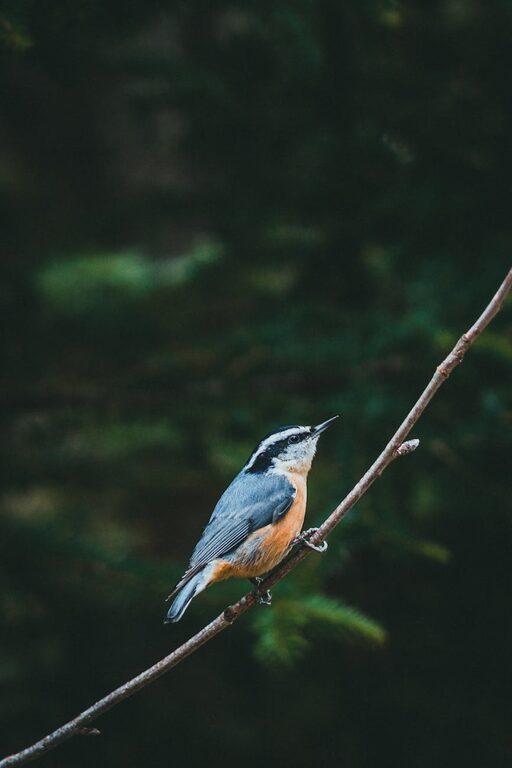
Birdwatching is a rewarding and relaxing hobby that can be enjoyed right in your own backyard. Whether you’re a nature lover or simply curious about the birds outside your window, starting with backyard birdwatching is simple and accessible. This guide offers beginner tips to help you identify, attract, and enjoy birds in your outdoor space.
Why Try Backyard Birdwatching?
Birdwatching offers a chance to slow down and appreciate nature’s beauty. It’s an excellent way to reduce stress, learn about local wildlife, and even contribute to conservation efforts by observing bird behavior and diversity. You don’t need expensive equipment or a large garden—just a little patience and curiosity will get you started.
Getting Ready: Essential Supplies for Beginners
While you can enjoy birdwatching with the naked eye, a few basic tools can improve your experience:
– Binoculars: A good pair of binoculars helps you see birds clearly without disturbing them. Look for lightweight, mid-range models (like 8×42 magnification).
– Field Guide or App: Use a local bird field guidebook or smartphone app to identify species based on size, color, and markings.
– Notebook or Bird Journal: Keep track of the birds you see, noting dates and behaviors. This adds to the fun and helps with identification.
– Camera or Smartphone: Capture photos for identification or sharing with friends.
– Bird Feeder: Attract birds to your yard with seed feeders, nectar feeders, or suet blocks depending on the species common in your area.
Creating a Bird-Friendly Backyard
Attracting birds often requires making your backyard inviting:
Provide Food
– Choose a variety of feeders and birdseed: sunflower seeds, nyjer (thistle seed), millet, or cracked corn.
– For hummingbirds, set up a nectar feeder with sugar water (4 parts water to 1 part sugar).
– Clean feeders regularly to prevent disease.
Offer Water
– A shallow birdbath with fresh water encourages drinking and bathing.
– Add a drip or small fountain for moving water, which attracts more birds.
Shelter and Nesting
– Plant native trees, shrubs, and flowers to provide cover and natural food sources like berries and insects.
– Install birdhouses suitable for local bird species.
Keep it Safe
– Avoid using pesticides and herbicides which can harm birds.
– Keep cats indoors or supervised outside.
– Place feeders away from windows or use decals to prevent bird collisions.
Tips for Observing Birds
Be Patient and Quiet
Birds are sensitive to noise and sudden movements. Find a comfortable spot, stay still, and observe quietly.
Watch at Different Times
Bird activity peaks during early morning and late afternoon. Visit your backyard at these times for better chances of spotting a variety of birds.
Learn Basic Bird Identification
Focus on distinguishing features such as size, color patterns, beak shape, and behavior. Over time, you’ll begin recognizing common species by sight and sound.
Record Your Observations
Note what species you see, how many, and what they’re doing. If you’re using an app like eBird, your records contribute to citizen science efforts.
Common Backyard Birds for Beginners
Here are a few bird species often seen in backyards (depending on your region):
– American Robin: Recognizable by its red chest and cheerful song.
– Northern Cardinal: Bright red males and brownish females, common at feeders.
– House Finch: Small, social birds with streaked brown feathers, often red on the head.
– Blue Jay: Loud and striking blue plumage.
– Mourning Dove: Soft gray with a gentle cooing call.
– Chickadee: Small, fluffy, with a distinctive “chick-a-dee-dee-dee” call.
Ethical Birdwatching Practices
– Observe without disturbing habitats.
– Avoid handling birds or nestlings.
– Keep a respectful distance, especially during breeding season.
Final Thoughts
Backyard birdwatching is a wonderful way to connect with nature and bring more joy to your daily routine. With a little patience and some simple preparations, you can enjoy watching birds flutter, sing, and interact right outside your door. Start small, keep learning, and watch as your feathered friends become a regular part of your outdoor world.
Happy birdwatching!